Sponsored article
The magic of festive lighting lies in its ability to elevate the aesthetic appeal of architectural structures, turning ordinary spaces into enchanting visual experiences. Festive lighting solutions not only enhance architectural beauty but also create captivating atmospheres that resonate with viewers. In this article, we delve into the art of using decorative lighting to amplify architectural elegance while maintaining functionality and sustainability. Join us as we explore creative and innovative approaches to festive lighting design.
Implementing effective architectural lighting strategies involves blending creativity with technology to accentuate a building’s unique features. Architects and designers can employ a range of design techniques to incorporate festive lighting into architectural designs, ensuring that lights serve both a functional and aesthetic purpose. One key approach is the use of ambient lighting, which subtly illuminates the structure to create a welcoming and enchanting atmosphere. By carefully choosing the placement and intensity of lighting fixtures, designers can highlight details of the building that might otherwise go unnoticed, such as intricate moldings, textured façades, or panoramic terraces.
Moreover, these lighting strategies can be adapted for special occasions, like the holiday season. For instance, commercial building Christmas decorations can be tastefully integrated into the lighting design to enhance the festive spirit while maintaining architectural integrity. Using energy-efficient LED solutions that offer dynamic lighting effects, designers can transform ordinary facades into dazzling displays that captivate onlookers and elevate the building’s aesthetic appeal after dusk.
When selecting lighting fixtures to enhance architectural aesthetics, achieving design balance is crucial to highlight the building’s inherent beauty while creating a festive ambiance. Choosing the right lighting fixtures involves considering the architectural style of the property and ensuring they complement, rather than overwhelm. It’s important to find fixtures that seamlessly integrate with existing design elements such as color palettes, textures, and structural shapes. By doing so, these fixtures can enhance the overall aesthetic appeal, becoming a harmonious part of the environment rather than a distracting or clashing detail.
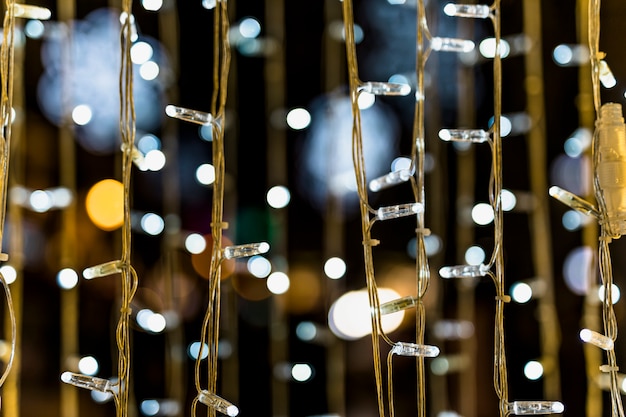
Moreover, the right lighting fixtures should maintain their own aesthetic integrity, providing a distinct character and function that adds to the overall design narrative. Whether it’s through the subtle glow of LED strings or the bold statement of architectural lighting, each fixture should support the architectural style’s mood and meaning. Integrating a cohesive lighting scheme ensures that the festive lighting doesn’t just decorate but elevates the space by delicately balancing illumination with architectural intention.
Integrating energy-efficient lighting solutions into festive architectural designs not only enhances aesthetic appeal but also aligns with the principles of sustainable design. As architects and designers seek to create captivating visual environments, the use of eco-friendly lighting options becomes crucial. These advanced lighting systems—including LED lights and solar-powered installations—offer immense flexibility and creativity for crafting awe-inspiring festive displays. By prioritizing energy efficiency, architectural projects can achieve significant reductions in energy consumption, ultimately leading to cost savings and a decreased carbon footprint, ensuring a harmonious balance between innovative design and environmental responsibility.
The shift towards eco-friendly lighting in architectural design supports not only the aesthetic but also the functional aspects of spaces. These energy-efficient lighting solutions can transform ordinary structures into extraordinary spectacles, adding vibrancy to any festive occasion while remaining mindful of ecological impacts. By adopting sustainable design practices, the integration of green technology in lighting ensures that structures remain dazzling year-round, setting a benchmark for eco-conscious aesthetics. Consequently, integrating such lighting techniques into architectural projects reflects a broader commitment to sustainability that enhances both the visual and environmental outcomes.