Sponsored article
In the fast-paced world of food manufacturing, meeting demand while maintaining quality is a constant challenge. Automation is revolutionizing the industry, especially through innovations like automated filling machines. These machines not only enhance production efficiency but also uphold hygiene standards and reduce operational costs, offering food manufacturers a competitive edge. This article explores the transformative impact of these technologies on manufacturing processes.
Automation in food production has emerged as a game-changer by significantly enhancing productivity and streamlining operations. Automated machines, such as the advanced filling solutions offered by Rafpol Distribution Ltd, effectively minimize human error, providing a more reliable and accurate production process. With automated systems, food manufacturers can maintain a seamless workflow, ensuring that their operations run smoothly and effectively. This reduction in human error not only improves the overall quality control but also guarantees a standardized and consistent product output. Consequently, companies can build consumer trust by delivering high-quality products every time.
Furthermore, implementing automated filling machines leads to substantial cost reduction. By cutting down on the need for manual labor, businesses can reduce their operational expenses significantly. Automation allows for high-speed production lines, which in turn elevate the scale and speed of manufacturing without compromising quality. Consequently, this leads to increased output and better resource utilization. As a result, food manufacturers can meet growing demands while enjoying the economic benefits of reduced labor costs and optimized resource allocation. You can find more details on this topic at https://www.rafpol.co.uk.
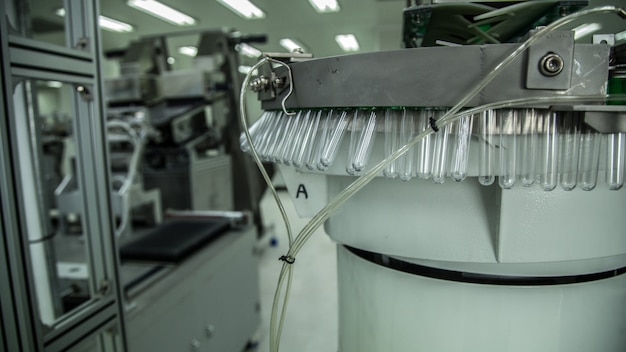
In the ever-evolving landscape of food manufacturing, automated filling machines stand out as pillars of efficiency and precision. Several types of filling machines cater to the diverse needs of this industry, offering flexible and adaptable technology to streamline production. Liquid filling machines are indispensable in handling a variety of products such as beverages, sauces, oils, and dressings. By utilizing precise volumetric, gravity, or pump-based systems, they ensure accurate and spill-free dispensing in bottles, pouches, and cartons. On the other hand, solid filling machines are designed to manage dry and particulate products, such as grains, powders, and snack foods, with exceptional accuracy and speed.
These diverse machines are equipped to handle various applications, providing manufacturers with:
With their adaptable technology, automated filling machines empower food manufacturers to efficiently respond to market dynamics and consumer preferences, ensuring a seamless integration of quality and volume in their operations.
Automated filling machines are revolutionizing the food manufacturing industry by significantly boosting supply chain efficiency. These state-of-the-art machines streamline operations by reducing manual labor and minimizing errors, leading to faster order fulfillment and less downtime. Meeting tight market demand becomes more manageable when production lines can operate continuously and adapt to changing requirements. As a result, food manufacturers can maintain a competitive edge in a fast-paced marketplace, ensuring they can deliver products swiftly and accurately. The impact on the supply chain is profound, with every stage from manufacturing to distribution benefiting from automation improvements.
Key benefits of automated filling machines on supply chain efficiency include:
Overall, adopting automated filling machines results in a more agile, efficient, and responsive supply chain, meeting modern logistical challenges head-on.