Sponsored article
In today’s fast-paced world, maintaining our health and well-being has become increasingly important. Wearable technology is playing a pivotal role in revolutionizing personal health monitoring. These smart devices, ranging from fitness trackers to advanced biosensor wearables, offer unprecedented insight into our physical health, enabling us to take proactive measures. As technology continues to evolve, wearables promise to become even more integral to our health management strategies, paving the way for a healthier future.
Recent advancements in sensor technology have significantly enhanced the functionality of wearable devices, revolutionizing personal health monitoring. State-of-the-art wearable sensors, including sophisticated biosensors, are now capable of tracking a wide range of vital signs such as heart rate, body temperature, and blood oxygen levels, as well as monitoring physical activity with unprecedented accuracy. These innovations in health tracking enable users to access real-time data on their physiological status, fostering proactive health management. By delivering continuous feedback, wearable sensors empower individuals to recognize trends in their health metrics, identify potential issues early, and make informed lifestyle choices. The integration of advanced biosensors into everyday wearable technology underscores a transformative shift in personalized health monitoring, as users can seamlessly integrate health tracking into their daily routines, ultimately resulting in more informed decision-making and better health outcomes.
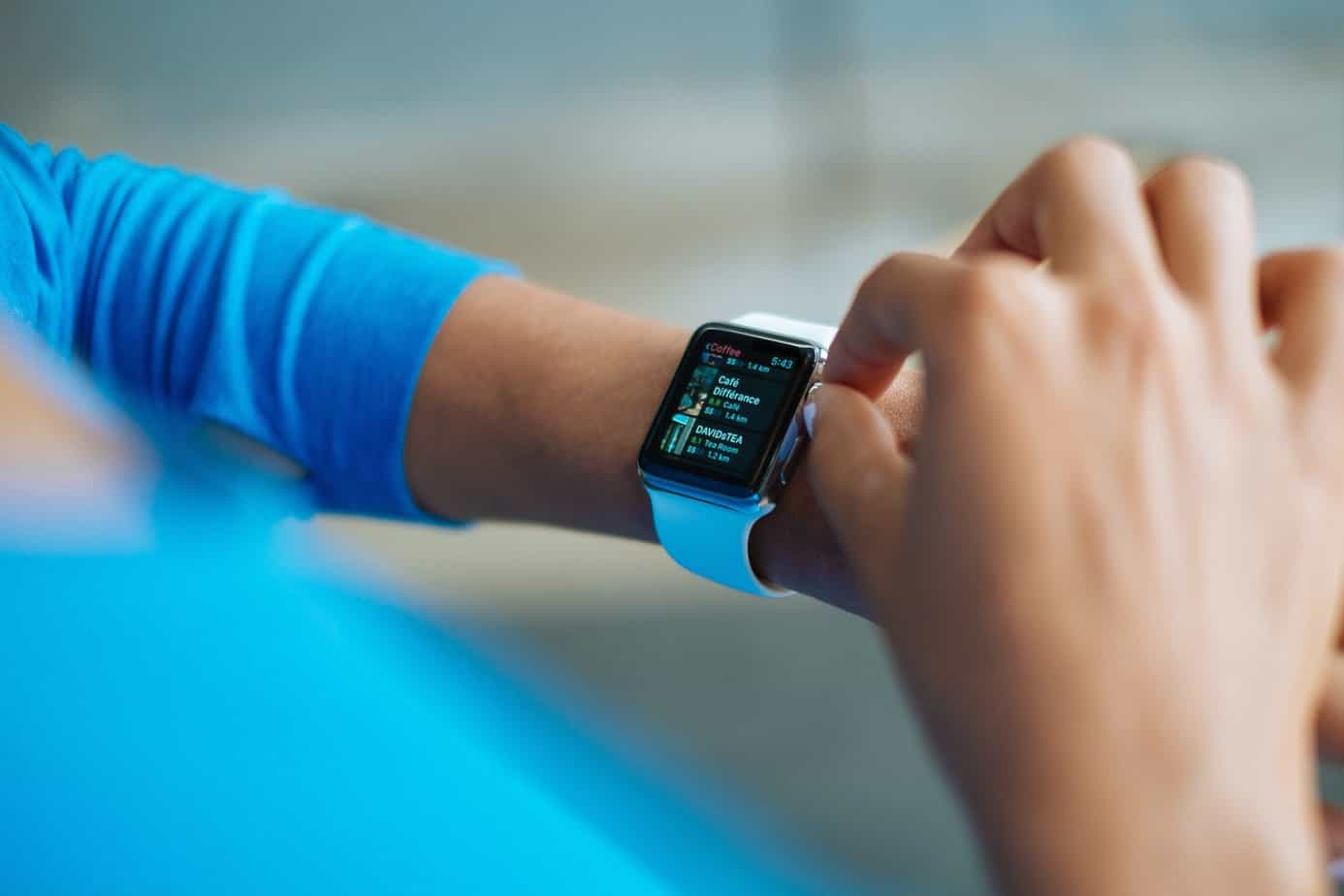
In the evolving landscape of personal health monitoring, the integration of wearable technology with health apps has emerged as a pivotal advancement, allowing users to harness the power of mobile health with unprecedented ease. Wearable connectivity facilitates seamless data synchronization between devices and health apps, ensuring that users have instant access to their health metrics. This enables individuals to monitor crucial health parameters like heart rate, steps taken, calories burned, and sleep patterns directly on their smartphones. With such comprehensive data synchronization, users can track their progress over time, set personalized health goals, and observe improvements in their wellbeing. Moreover, this integration of wearable technology with mobile health applications allows for the effortless sharing of insights with healthcare providers. By granting medical professionals access to real-time data, patients can receive tailored advice, enhancing the management of chronic conditions and paving the way for more accurate diagnoses, ultimately transforming the landscape of personal health monitoring.
Wearable technology is revolutionizing the way we approach personal health by seamlessly integrating into our daily lives and encouraging impactful lifestyle changes. By providing real-time data on physical activity, heart rate, sleep patterns, and more, these devices offer personalized monitoring that empowers individuals to take proactive control of their health. This real-time feedback fosters healthier habits and supports preventative healthcare by identifying subtle shifts that might indicate potential health issues. For instance, consistent tracking of vitals allows early detection of irregularities, prompting timely medical consultations before conditions worsen. This proactive stance not only enhances individual health outcomes but also reduces the burden on healthcare systems by focusing on maintaining wellness rather than treating illnesses. Wearables thus become invaluable tools in personalized health monitoring, driving individuals towards healthier lifestyles and aiding in the early prevention of disease.